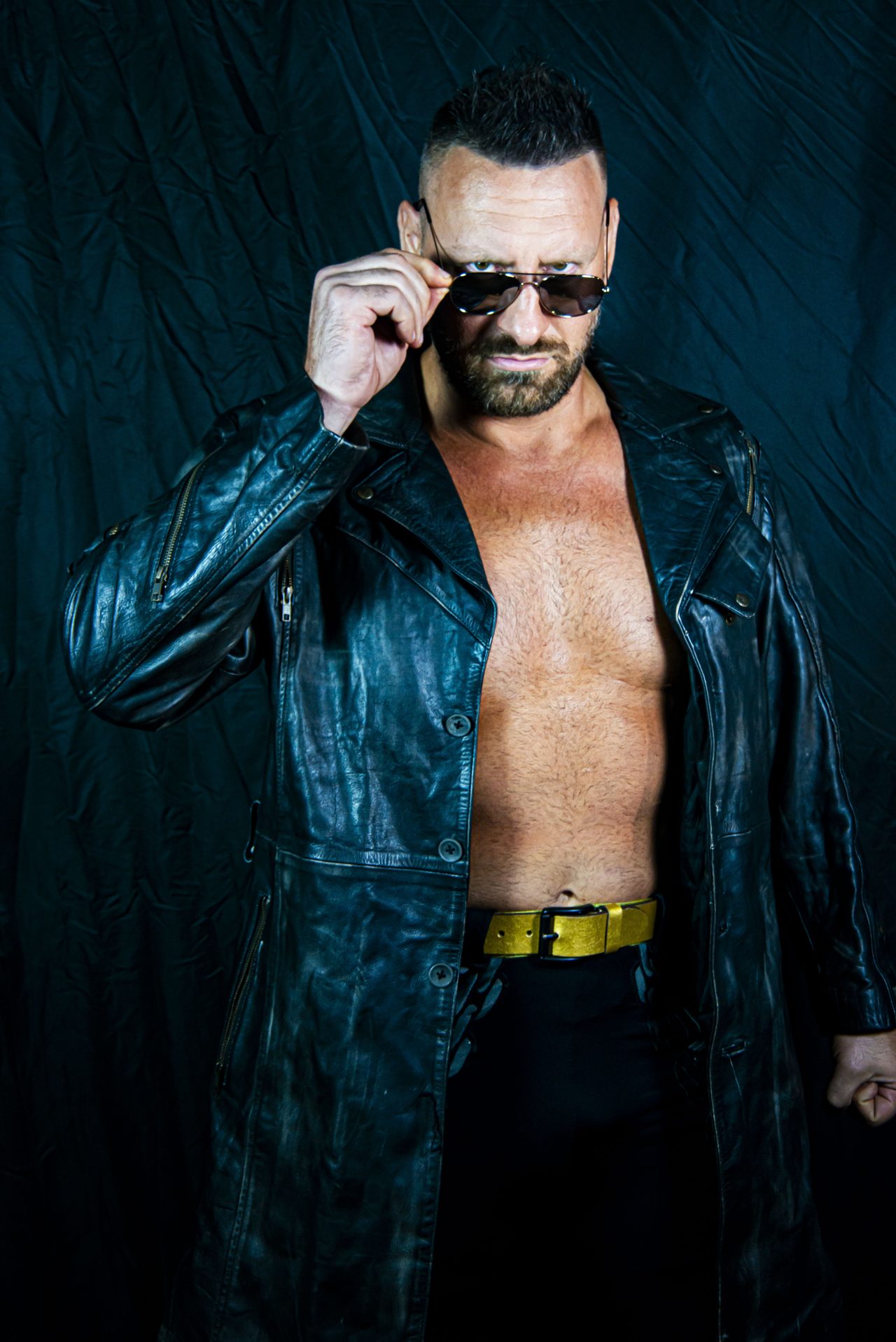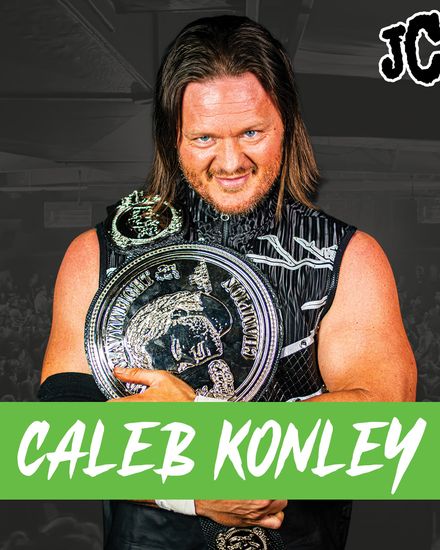


Sorry, Caleb Konley Is Not a Dick.
by Sean Oliver
Legendary actor Robert DeNiro was being dressed by the wardrobe assistant on a film in which he played a “pretty bad guy.” That’s how the woman referred to the character as she fit him in the outfit, and probably how you and I characterized him when watching him blow people away onscreen.
DeNiro, though, had a different take to her.
“Miss,” he began, “if you don’t mind, please don’t talk like that. I have to be this guy every day. I have to live with him.”
Though the old adage requiring your wrestling character to be a true part of your personality for authenticity’s sake is widely touted, maybe DeNiro was more on the nose than the grizzled ring veteran who sold out Greensboro 109 times and turned away 8,000 fans when they had their fourth two-hour Broadway in a row.
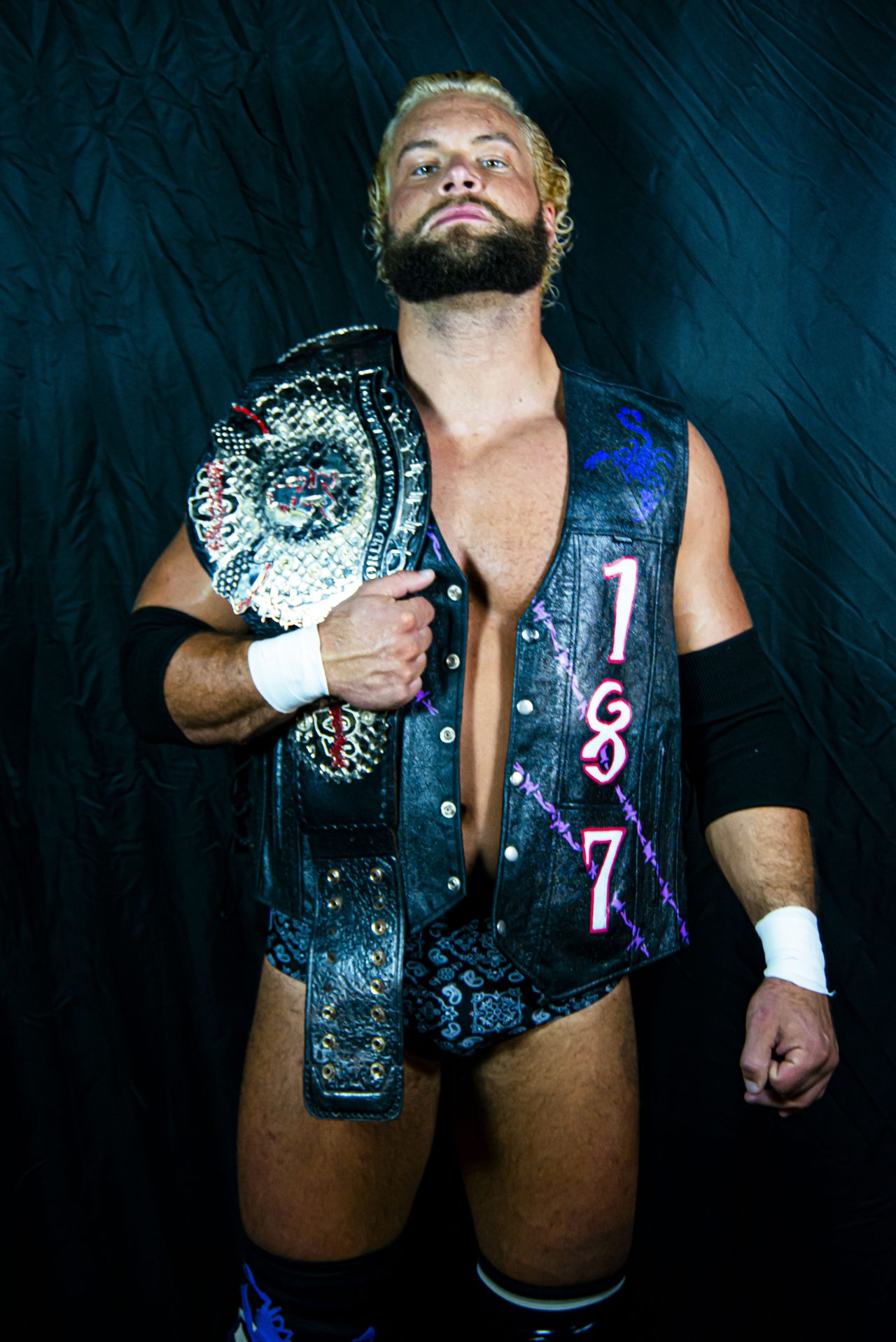
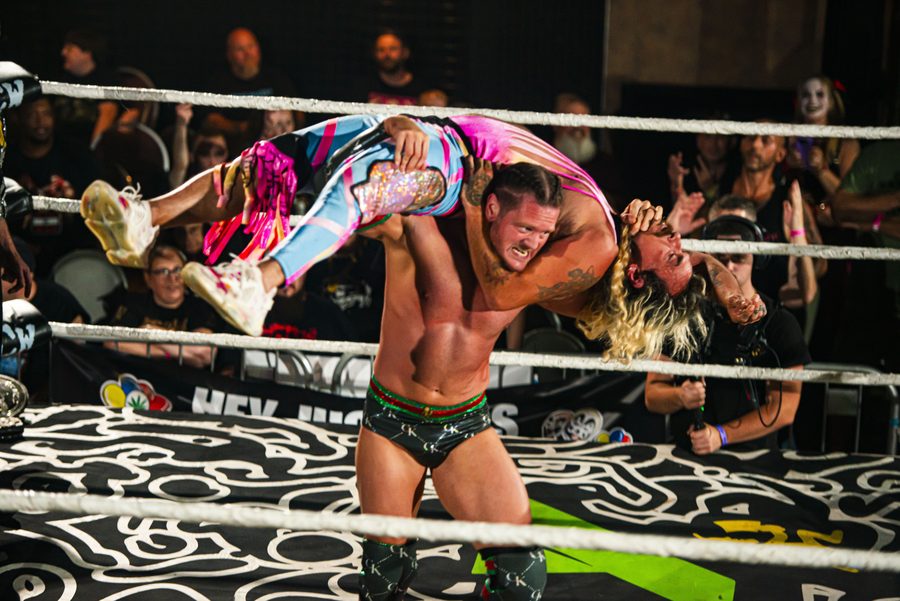
Your character doesn’t have to be you—but they gotta live with you. Which means Caleb Konley only has to be a douchebag when he walks through the curtain.
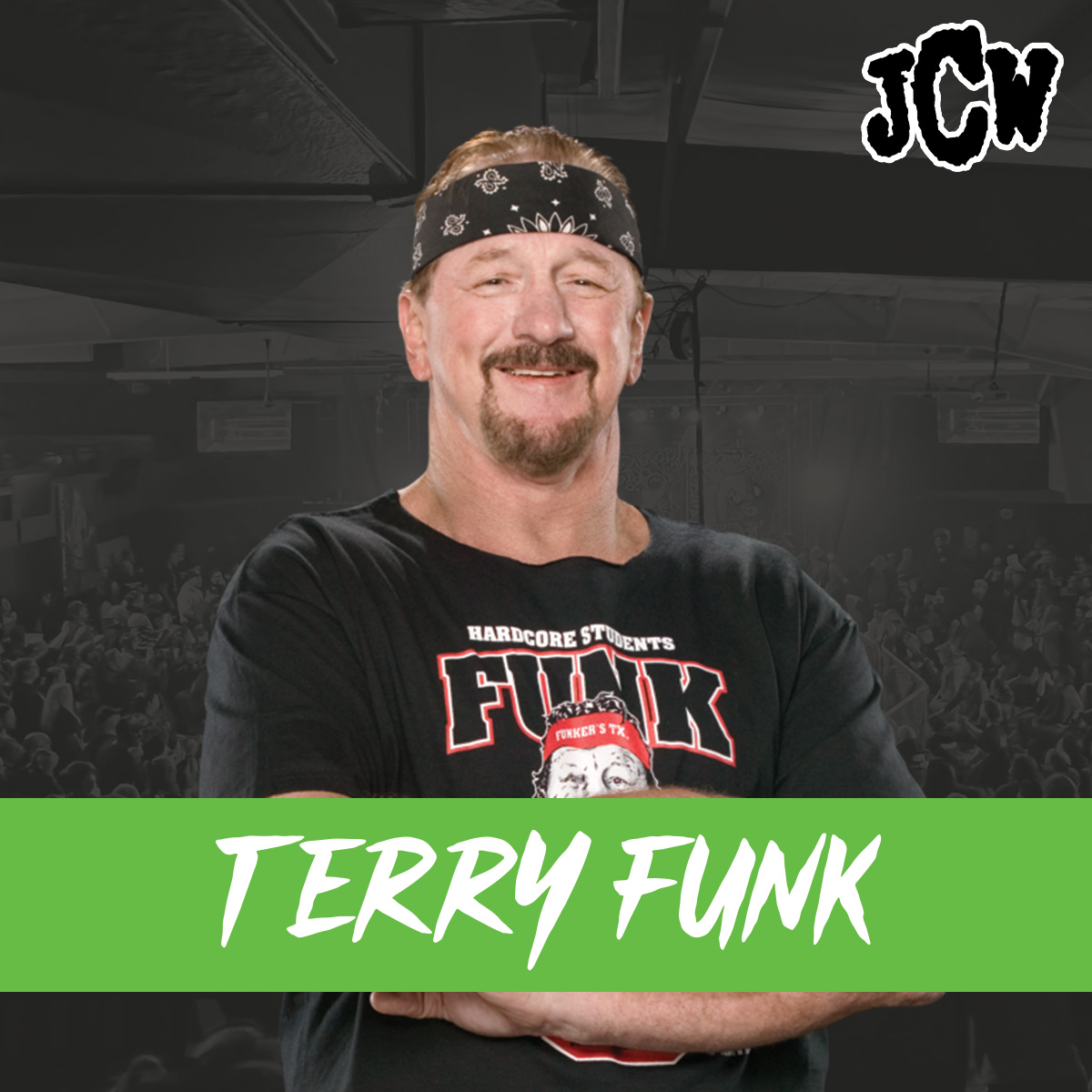
“I always hear stories about Terry Funk later in his career,” Konley says. “He’s like half bent over, his back’s shot. He can barely walk, and then all of a sudden his music hits and he’s Terry Funk all of a sudden.”
Building a character unlike yourself takes both intuition and homework. You can lose yourself in the cerebral process of imagining what this person would do in some situation and how they would react to some other person. But standing there, looking someone in the eye in front of an audience or camera, puts an actor on the spot and something has to take over.
“Something like just little mannerisms,” Konley says, referring to the things he gleans from those around him in daily life. “Things people would say. I would find the things that would get under my skin just watching somebody, and then I would try to incorporate that. I mean, I feel like if it got under my skin just by walking past this person or listening to this person talk for 30 seconds, then the average wrestling fan at home is gonna really hate my guts after spending ten minutes with me.”
Konley refined his work before in TNA, a corporate entity, before being given the freedom to branch out and tap into something any good actor needs, maybe more so than even a wrestler—creativity.
“In TNA, it felt very much like I was put into a box and told I need to be this or that. I don’t know if that’s the same for everybody, but me personally, I just felt like I was there to do as I was told, leave my feelings and my thoughts at the hotel, and just do my job.”
In truth, though, wrestling promotions owned by large corporate entities or ones publicly traded in the stock market can’t hand the creative reins to every wrestler who walks in the door. Any sizable company needs a firm hierarchy, and a well established who’s-allowed-to-do-what environment. Wrestling is no different and, in actuality, might need even more oversight, given the freewheeling nature of some of the participants.
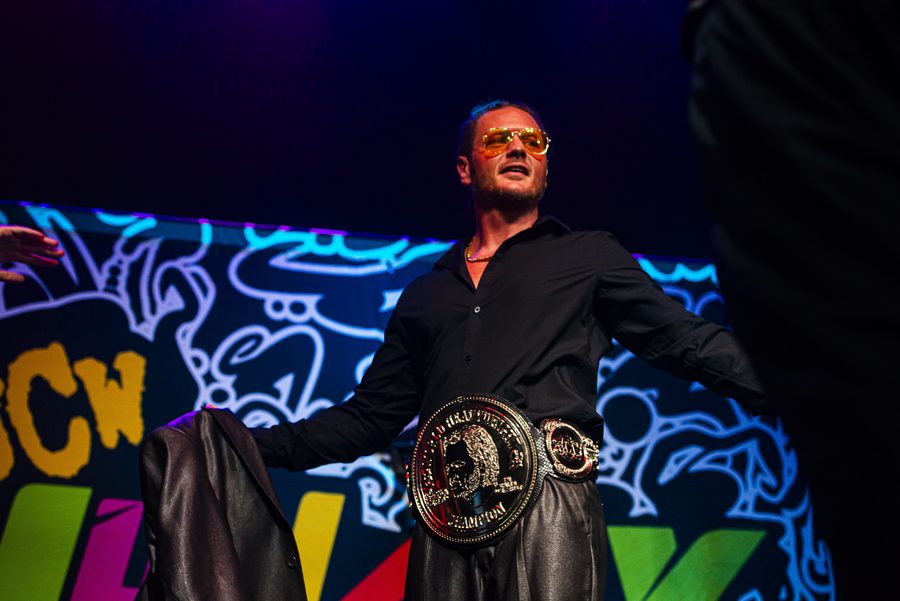
But Konley is a savvy guy. He broke in and paid his dues in the way most professionals in the industry would consider traditional, and navigated the frustrations indicated above, like so many before him. He cares about the business and the art of it, beyond just being one of the most reliable guys in the JCW locker room. Dare I say, that the in-ring asshole has become a de facto locker room leader?
“I would definitely say I’m a locker room leader,” he says. “I’ve been doing this for twenty-one years, so naturally I think a lot of people’s idea is that I would be the veteran to turn to and help critique matches and maybe help to put together a match or two.”
There—the cocky dickhead calls himself a locker room leader, like he’s the Undertaker or some shit. Not as humble as I initially thought.
“But it’s still kinda weird to me. I still feel like the young guy that needs to go out there and prove himself.”
Damnit.
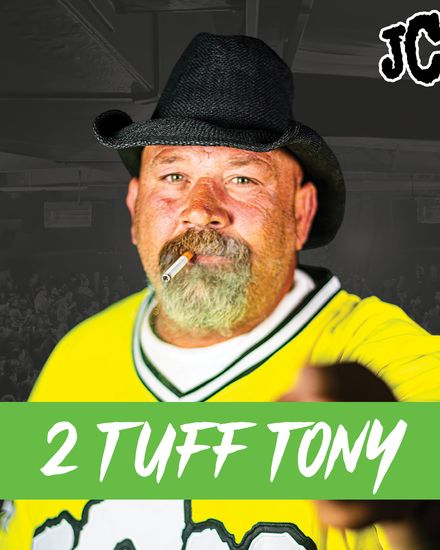
“I still wanna go out there and give it 110% and do things that pop the crowd, pop me, and see if I can still potentially do anything better. But I think as far as the hierarchy, I wouldn’t say I’m the top guy. I would say that’s probably a 2 Tuff Tony thing.”
Man, old school Sean really wanted this guy to be a prick.
But he ain’t. He’s just a skilled veteran who cares about the art of the business and, though he’s really not the stereotypical “old-timer”, feels a responsibility to the sport as if he was one. Take, for instance, that broken down vehicle on the side of the road called Kayfabe.
“I hate it,” he says regarding the pulling back of the curtain and fans’ knowing too much. “I go on podcasts, and I don’t know if I’m supposed to be the asshole, cocky, heel Caleb Konley, or if I’m just supposed to play it right down the middle like I am the actor playing the character that you see on Lunacy. I never really know how to feel about it.”
Whatever he’s doing, it’s working, and I suspect it wouldn’t have worked like it did had Konley been elsewhere. He gets the vitriolic response he’s supposed to from JCW fans and he’s not afraid to speak his mind on the mic, insulting as it may be. More accurately, he’s free to speak his mind that way.
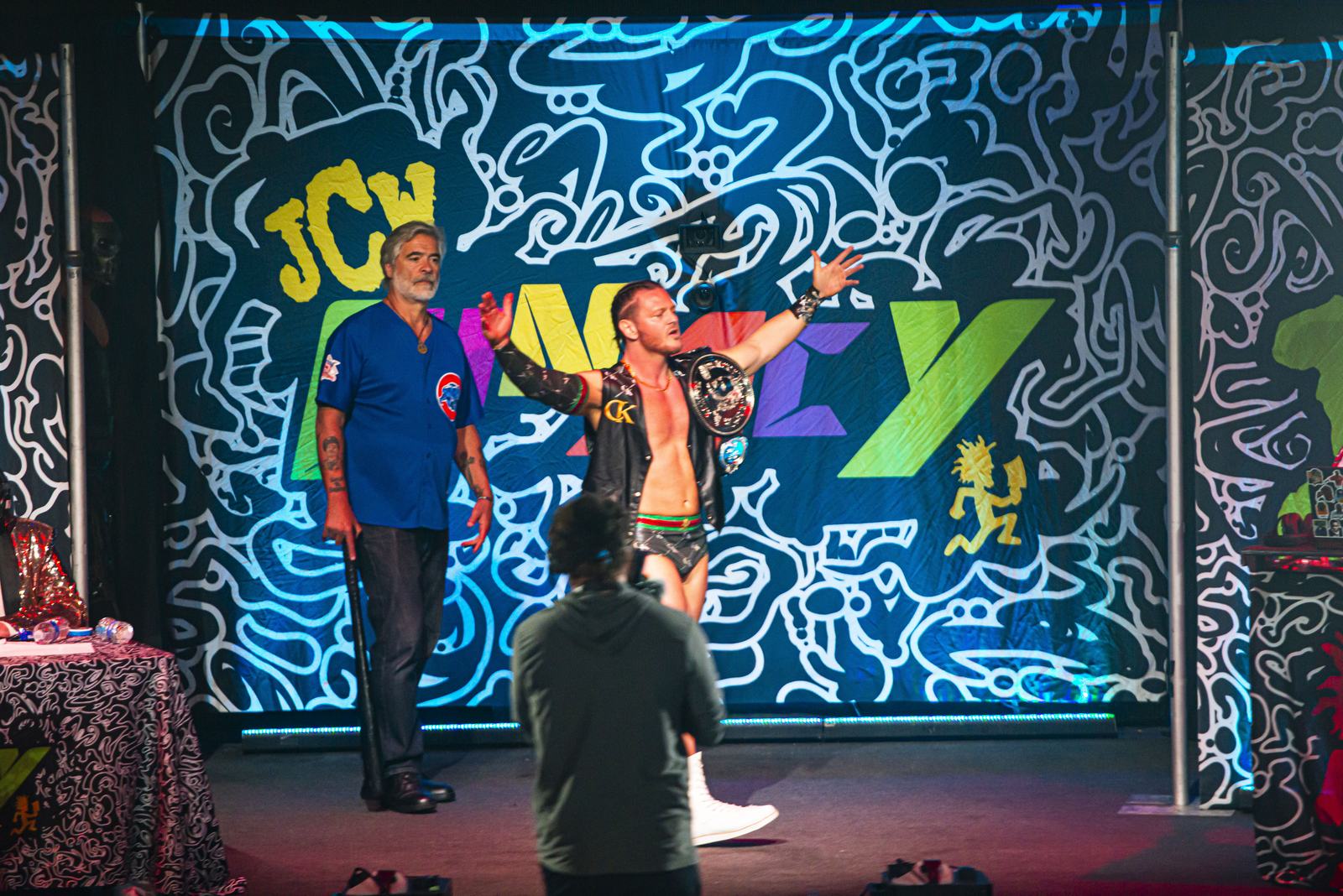
“I feel like JCW has basically just given me an open canvas and said, ‘Create however you want,’” Konley confirms. “I feel like JCW is saying, ‘Hey, spread your wings and make something beautiful.’”
Enter Vince Russo.
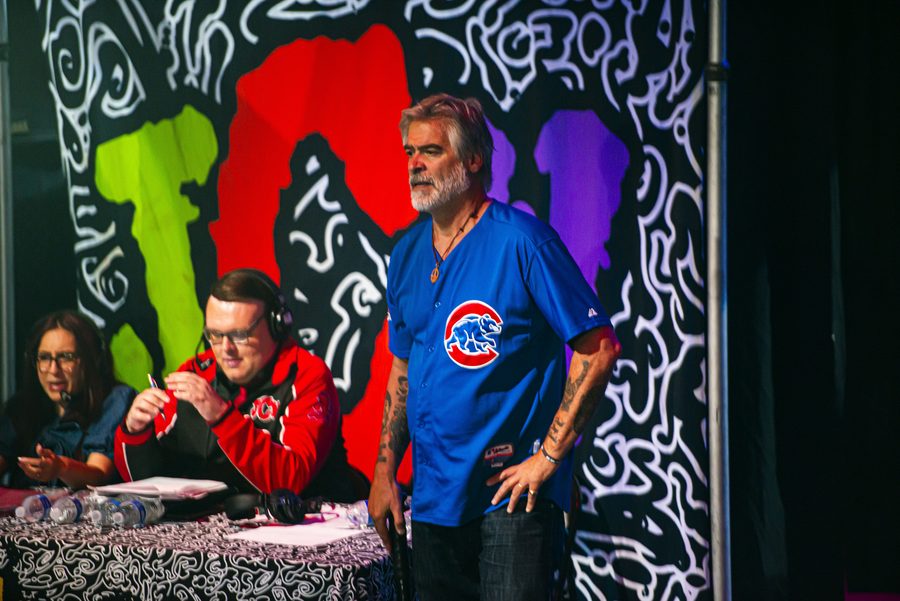
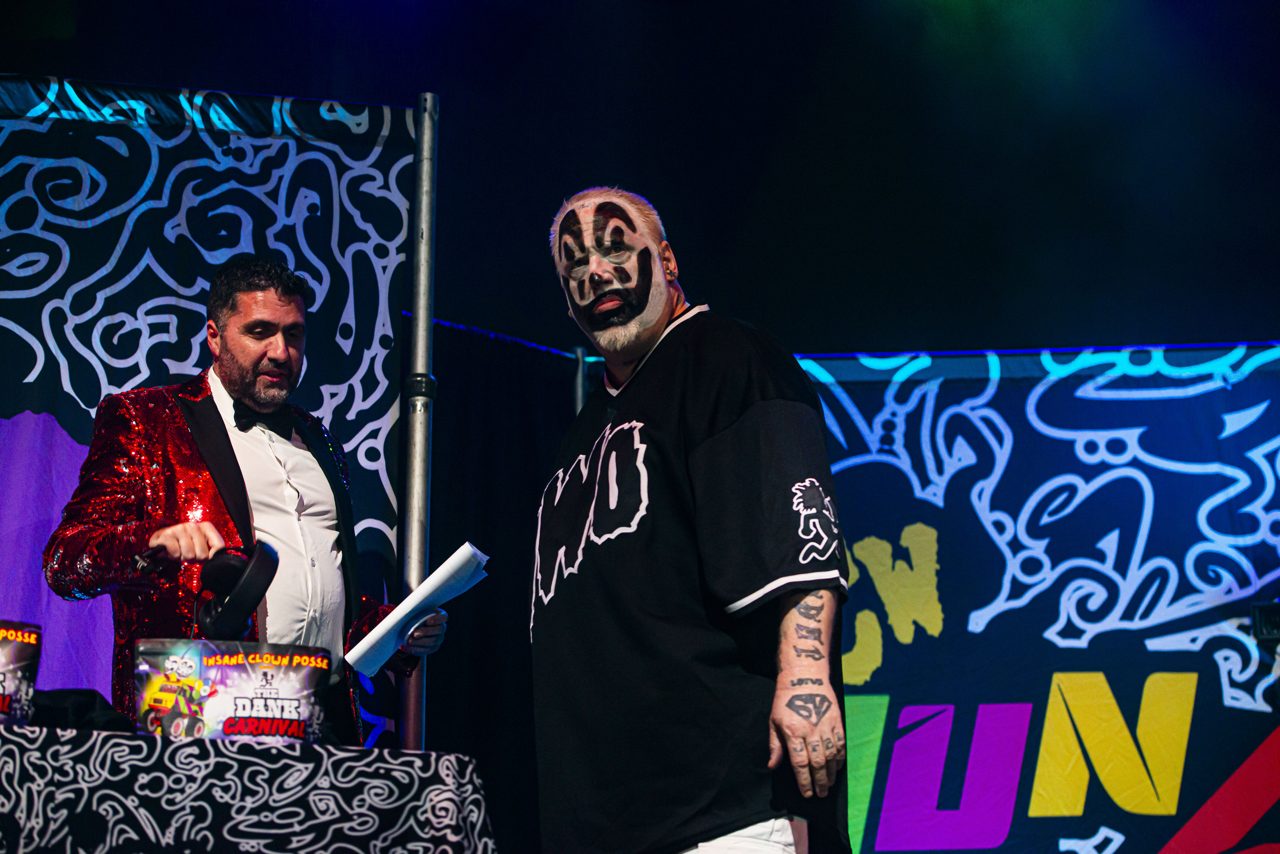
Last year when I was working with Russo and Violent J at the beginning of their endeavor, Vince said to me at one point, “Bro, I can really write for this Konley. He’s gotta be my guy.” Storyline-wise that’s proven to be the case, but Russo said this before ever putting pencil to paper. We were talking business terms and boring bullshit, but that’s how much having the right pieces in place matters to a qualified wrestling writer.
Well, I think Russo is. Maybe you’re making a face. You wouldn’t be alone.
“We got flown into Philly and we’re going to New Jersey,” Caleb recalls, “and the whole way J is pitching this idea about Russo coming in, and everyone in the car is kinda like making eyes at each other, like not knowing what to really think about it. I’d heard the shoot interviews for years of people talking about their bad breaks that they may have had in WCW or WWE and how it was all Vince Russo’s fault. So you know, you just hear that over and over and over and over and over, and you kinda like think, ‘Well, man, I don’t know.’ I mean, he’s definitely got a name—he’s definitely worth something. But to what end? Like, is he gonna be bad for the locker room? Is he gonna up and change everything week one and fire half the crew?”
Who knew? Any new chef is a threat to the menu, but in Russo’s case it couldn’t have been further from the truth. He’s told me privately (and I’m pretty sure publicly), that the JCW locker room is the most galvanized, creative, and respectful place he’s ever worked. And the man that watched just a few JCW videos before coming aboard and saying Konley was his guy, has also told me that Violent J is the most creative promoter he’s ever worked for. And that includes Vince McMahon.
Whereas McMahon was good in the big picture, Russo noted that J sees the minutiae that most bosses can’t. He lives in the details, and that makes the product better.
But does Konley know Russo wanted him to be his boy?
“He tells me that, but like I don’t ever wanna really believe it too much. I don’t wanna believe my own hype. I’m not resting on the fact that he likes my work.”
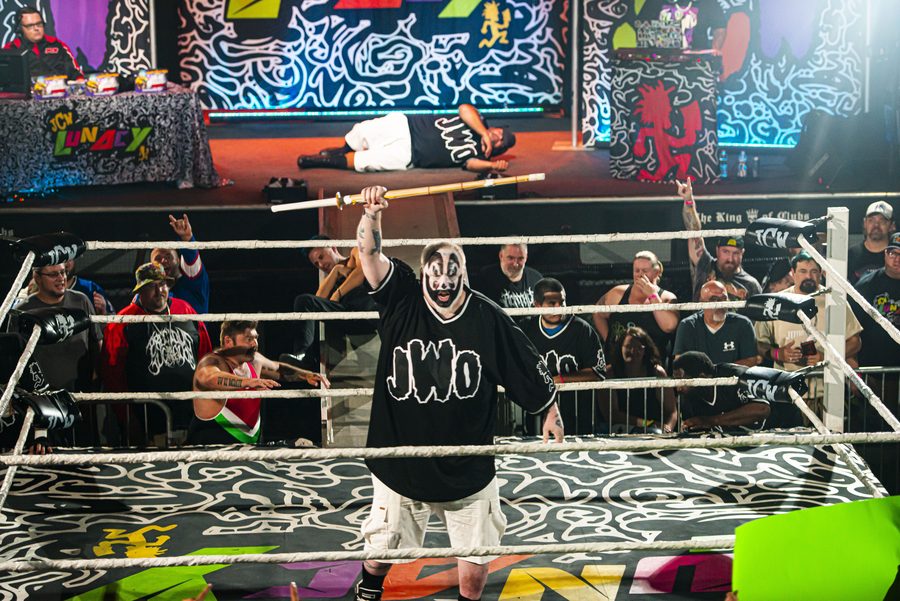
As for Violent J outpacing legendary promoter Vince Julius McCaesar, it may engender a smirk or outright chuckle from the Smarts, but sometimes the bigger one gets, the harder it is for that CEO’s eyes to see downward. Maybe in the example of Caleb Konley being in charge of Caleb Konley in JCW, there lies a lesson for the big dogs with limitless funding.
“I don’t think we’re doing anything that is so over the top or weird or different than anybody else has the possibility to do,” Konley says. “I just think JCW has the balls to do it.”